Health
Why Does the Yo-Yo Happen? — How Hormones Break Down Your Diet (Leptin, Ghrelin, Insulin)
The yo-yo isn't a willpower problem — it's a hormone problem. Here's how leptin, ghrelin, and insulin shift after a diet to trigger the yo-yo, plus 3 routines to make hormones work for you.
- #식습관
- #폭식
- #GLP-1
- #위고비
- #마운자로
- #위고비 중단
- #위고비 요요
- #다이어트
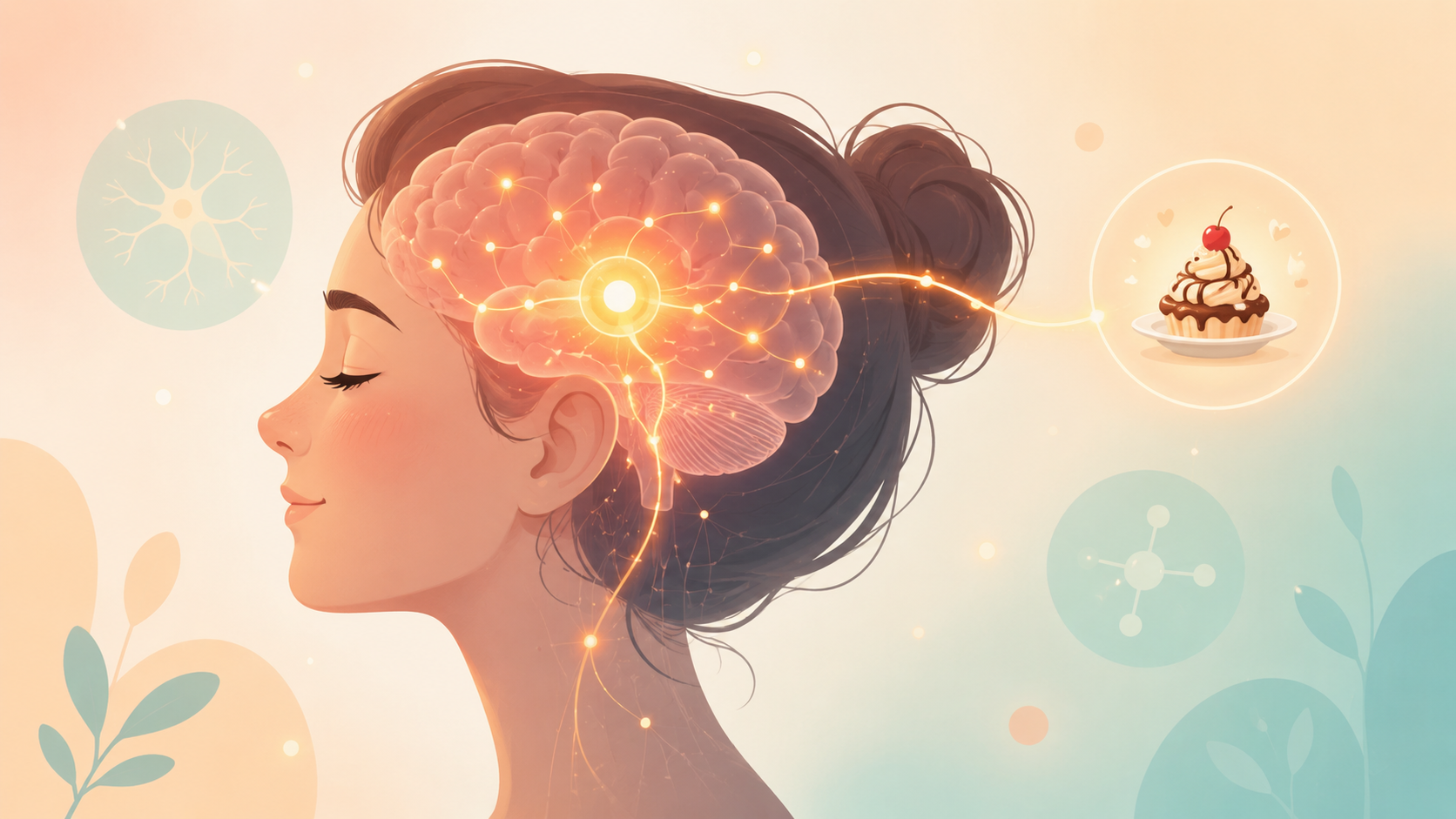
Why Does the Yo-Yo Happen? — How Hormones Break Down Your Diet (Leptin, Ghrelin, Insulin)
Someone who lost 15kg on a diet, then gained back 18kg a year later. Someone who lost 28kg on an herbal-medicine diet, then put on 32kg within six months of stopping.
These are the kinds of people we've met so often throughout our eating-habit coaching. And they all tend to say the same thing.
"I guess my willpower is just weak."
The first thing we want to say in this article is this: the yo-yo is not a willpower problem.
From the moment you finish a diet, your body's hormone system kicks into full gear and starts sending a signal at every meal — "I'm going to put you back where you were." Almost no one can hold that off with willpower alone.
We at KkokKkok have walked alongside people whose hormones were thrown off by dieting. The most powerful pattern we saw in them was exactly this hormone story.
In this article, we'll lay out how the three hormones that drive the yo-yo — leptin, ghrelin, and insulin — change after a diet, and then three routines that turn those very changes around to help prevent the yo-yo.
The judgment is yours to make; our job is simply to give you the information.
The Yo-Yo Isn't a Willpower Problem — It Should Be Understood Through Hormones
Our bodies dislike change. They recognize your current weight, body fat, and muscle mass as a default state, and when you move away from it, they fight hard to return.
This is called homeostasis. The moment we start a diet — the body doesn't recognize it as a "diet." It recognizes it as "I'm starving = a famine state."
Over tens of thousands of years of evolution, our ancestors' bodies learned to treat starvation as the biggest threat. So even today, the moment calories drop, the body immediately enters protection mode.
It stores incoming calories as fat more efficiently
It lowers basal metabolism to conserve calories
It cranks up appetite so you eat more at your next meal
The commander of all these processes is hormones.
The three we'll look at today — leptin, ghrelin, and insulin — are the core trio of the yo-yo.
Leptin — Why the Satiety Hormone Drops (Why You End Up Eating More)
Leptin is the hormone that sends the "okay, you can stop eating now" signal to the brain. It's secreted by fat cells. So when you have more body fat, more leptin is released; when you have less, it decreases.
When dieting reduces your body fat, leptin secretion drops along with it. And this doesn't just end with "satiety gets weaker."
One person we worked with wrote this in our group chat:
"After the diet, my stomach is clearly full, but my brain keeps signaling 'not enough yet.' I end up eating way more."
This is what a leptin-depleted state looks like.
Research reports a similar tendency. When you lose a significant amount of weight through dieting, leptin levels drop noticeably, and even after you regain the weight — that is, even after the yo-yo hits — it can take a considerable time for the level to return to normal.
In other words, someone who finishes one diet has to live for a while afterward with much weaker satiety than usual. Suppressing appetite with willpower during that period? For most people, it's effectively very hard.
Ghrelin — Why the Appetite Hormone Surges (Why You Want to Eat Like Crazy)
Ghrelin is the exact opposite of leptin. It sends the "I'm hungry, eat now" signal to the brain. It's mainly secreted in the stomach.
Normally, ghrelin rises before a meal and falls after. That's the normal cycle. But once a diet ends, this cycle gets thrown off.
The expression we hear most often is this:
"After the diet, my appetite didn't come back at a normal level — it came back at an insane level."
This is a state where ghrelin is being secreted more strongly than usual.
Research reports that ghrelin levels in people who've lost weight through dieting tend to increase, and that this state can persist for a while.
What's more, when ghrelin is high — it's not just that you want to eat more — there are reports that the brain's reward region (the pleasure circuit) responds more strongly than usual when you see pictures of food. In other words, a single photo of tteokbokki can bring on a bigger urge than usual.
Suppress that with willpower? For most people, it's genuinely hard.
Insulin — The Metabolism Dieting Wrecks (Why You Gain Weight More Easily)
The third hormone is insulin. Insulin regulates blood sugar and stores leftover energy as fat.
The problem is that repeated dieting can be linked to insulin resistance.
The pattern that pains us most to see is this:
"I've dieted five times, and the more I do it, the more easily I seem to gain weight."
This may not be simply your imagination. When you repeat the cycle of diet → yo-yo → diet → yo-yo, your body can move in the direction of becoming less sensitive to insulin. Even eating the same food, more insulin can be secreted, and a tendency to store more as fat can emerge.
When you add cortisol, the stress hormone, on top of this, the situation tends to get worse. Obsessive dieting and excessive exercise → cortisol ↑ → insulin resistance ↑ → abdominal fat ↑.
The collaboration of these three is closer to the real identity behind the saying "once you've dieted, you gradually become a body that gains weight more easily."
Drugs (GLP-1) and Hormones — What the Drug Catches and What It Can't
Let me touch on the drug story here for a moment. Wegovy and Mounjaro, which many people use these days, are drugs that externally mimic another satiety hormone called GLP-1.
While you're on the drug, appetite decreases and satiety comes quickly. GLP-1 fills in, to some degree, the spot where leptin dropped.
The problem comes when you stop the drug.
👉 Internal link: Is Mounjaro 2.5mg enough? — The questions low-dose users ask most
👉 Internal link: Can you afford Mounjaro for life? (Part 2)
One person we interviewed wrote this in our group chat:
"I lost 18kg on Wegovy and gained back 20kg. After I stopped the drug, my appetite exploded like crazy."
This is because two shocks arrive at once.
The leptin lowered and ghrelin raised by dieting → the yo-yo mechanism that was already there
The GLP-1 signal that was coming from outside disappears → the appetite that was artificially held back is released all at once
The drug catches externally-triggered appetite well, but in the end it can't artificially hold the entire hormone system in check for life. At the moment you stop the drug, your hormones need to be stable — in other words, your body needs to be in a state where it doesn't recognize dieting as "famine" — for the yo-yo to be prevented.
Three Routines to Make Hormones Work for You
There's a way to stop treating hormones as the enemy and make them work for you instead. Here are the three most effective routines we've seen most often.
① Chew Slowly and for a Long Time — Naturally Secrete More GLP-1
When you chew more than 30 times per bite, satiety hormones like GLP-1 and PYY move in the direction of being secreted more, and ghrelin tends to decrease. Even without an injection, you can bring about some effect in a similar direction inside your own body at every meal.
👉 Internal link: How to build a body that doesn't gain weight — 6 routines for no rebound
② Stop Starving and Over-Exercising — Bring Down Cortisol
If you want to prevent the yo-yo — paradoxically — letting go of obsession is the most important thing. Step off the scale, and stop the 90-minute high-intensity workouts. When cortisol drops, insulin resistance can move in the direction of easing as well.
③ Regular Meal Times — Stabilize the Insulin Cycle
Eating your meals at roughly the same time every day helps stabilize insulin. Don't leave too long a gap on an empty stomach, and even the day after a binge, have your usual meal. Hormones love the signal of "regular" most of all.
Conclusion — Understand Hormones, Not Willpower
If we compress today's content into one line, it's this.
The yo-yo is not a willpower problem. It's a normal response that the hormone system triggers because it recognizes dieting as "famine."
The weight you lost on a diet coming back is not your fault. It's something your body did to protect you.
Once you understand hormones, you can turn that protective action around to help prevent the yo-yo. Chewing slowly, letting go of obsession, and keeping regular meal times — these three are the most honest path to making hormones work for you.
Among the people KkokKkok has walked alongside, those who maintain a healthy weight without the yo-yo always had this in common. They weren't the ones who built up willpower — they were the ones who understood hormones.
📩 The Path to Preventing the Yo-Yo Isn't Willpower — It's Understanding Hormones
We at KkokKkok have worked together to build routines that slowly bring back the hormones thrown off by dieting.
If you want to stop policing yourself on the scale every day, start with a small tool that makes hormones work for you.
❓ Frequently Asked Questions (FAQ)
Q1. When does the leptin lowered after a diet recover?
According to research, after losing a significant amount of weight through dieting, it can take quite a long time for leptin to recover to its original level. During that period you have to live with weaker satiety than usual, so rather than suppressing appetite with willpower, it's more effective to let other hormones help you through slow chewing and regular meals.
Q2. What's the fastest way to reduce ghrelin?
The most accessible method is chewing slowly and for a long time. There's research that increasing the number of chews per bite tends to reduce ghrelin secretion. Keeping regular meal times also helps stabilize ghrelin's natural cycle.
Q3. I think I already have insulin resistance. Can it be reversed?
In many cases, improvement is possible. Insulin resistance can get better with management of eating habits, sleep, and stress. In particular, just stopping obsessive dieting and high-intensity exercise can lower cortisol and move insulin sensitivity in the direction of recovery. The timeline varies from person to person, but changes often appear over the span of a few months.
Q4. Will Wegovy or Mounjaro normalize my hormones?
While on the drug, GLP-1 is artificially supplemented, so appetite signals appear to be temporarily normalized. However, once you stop the drug, the external GLP-1 disappears, and the leptin that dropped and the ghrelin that rose in the meantime can surface all at once. An eating-habit routine needs to be in place by the time you stop the drug to help reduce the hormonal shock.
Q5. If someone has dieted often, are their hormones permanently broken?
It's hard to declare it "permanent." That said, it's clear that repeated dieting can place a burden on the hormone system. Fortunately, once an eating-habit routine takes hold, hormones often recover, even if it takes time. Among the people we interviewed, there are cases where someone who repeated dieting many times saw their hormones stabilize after a steady routine.
Q6. How does exercise affect hormones?
Light exercise (walking, yoga, strength training) helps hormones by raising insulin sensitivity. However, high-intensity exercise of 90 minutes or more every day chronically raises cortisol and can actually worsen insulin resistance. About 30 minutes of walking a day is often the best stimulus for hormones.
Q7. Should I get a hormone test?
Generally, hormone changes after a diet occur within the normal range in many cases, so they may not show up clearly on a test. That said, if they're accompanied by things like amenorrhea, extreme fatigue, or persistent depression, we recommend seeing an endocrinologist.
※ Notice
This article is not medical advice and is written for general informational purposes. The studies and figures mentioned in the text are for reference to aid understanding, and individual differences may apply. For actual drug use, discontinuation, or dosage adjustment, please be sure to consult a physician.